Every encounter needs a reason for the players to engage. If there’s no motivation, there’s no tension or stakes, and the encounter quickly feels meaningless. Incentives can be tied to the story—maybe they’re hunting a villain, retrieving a stolen artifact, or protecting someone they care about. They can also be tied to personal character goals, such as confronting a rival or investigating a mysterious location connected to a player’s backstory.
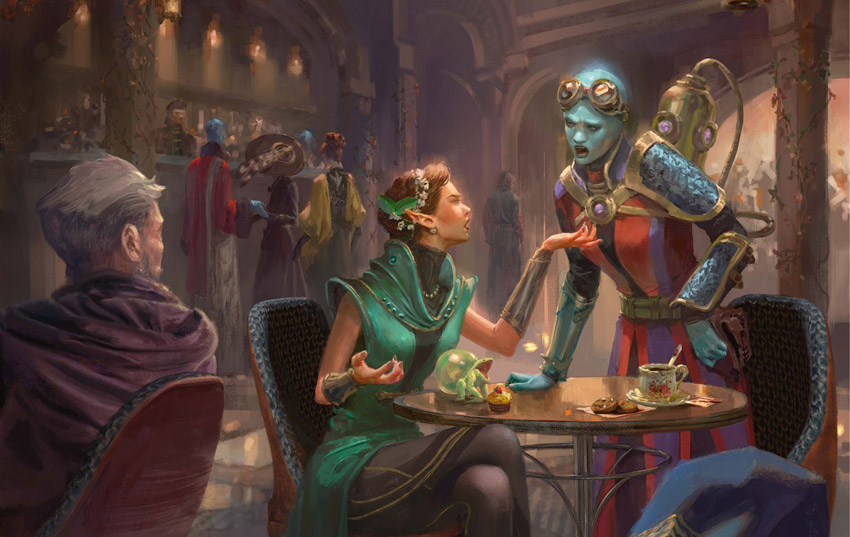
Encounters aren’t limited to combat. A negotiation with a dangerous cult leader, sneaking past guards, or navigating a dangerous environment are all valid encounters. Each encounter should give the players a clear objective or challenge. Without it, players might feel lost or bored. Incentives also shape how players approach the encounter. If the goal is saving someone, players might focus on protection over aggression. If it’s a heist, stealth becomes important.
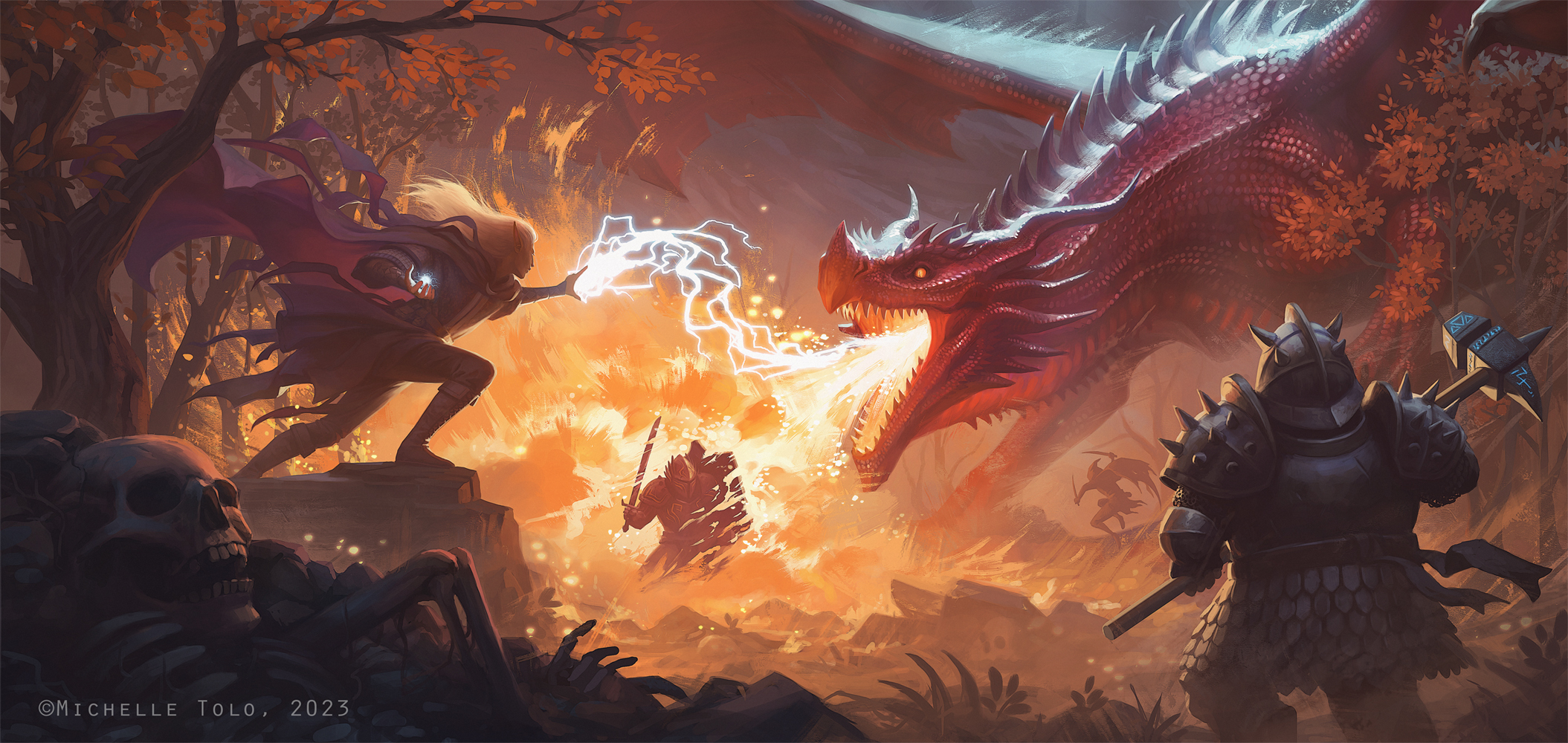
Well-designed incentives create stakes, and stakes create tension. Even small encounters feel meaningful if there’s a reason to succeed or fail. For example, a seemingly minor goblin ambush gains importance if those goblins are scouting for a bigger villain later on. By giving each encounter a narrative or practical reason, the DM ensures that every moment of the game contributes to the story or world-building, making the session more engaging and rewarding.